







Intro
If you’ve been searching for a place to sharpen your instincts while still enjoying the ride, you’ve probably come across the phrase “playing games blog playbattlesquare”. That’s exactly what this article is about: the blend of entertainment and decision-making that turns casual matches into real growth.
I’m going to talk about PlayBattleSquare from a gamer’s point of view what feels fun day one, what reveals itself after you’ve played a lot, and how strategy doesn’t need to ruin the fun. Instead, the right strategy makes the fun last longer and helps you turn “I got lucky” moments into “I was prepared” moments.
| Aspect | Details |
|---|---|
| Name | PlayBattleSquare |
| Type | Browser-based gaming platform |
| Main Focus | Arena-style combat and mini-games |
| Play Format | Quick matches, fast-paced loops |
| Accessibility | Web-based, no downloads required |
| Core Experience | Mix of fun action and smart strategy |
| Key Skills | Positioning, timing, target priority |
| Team Play | Strong emphasis on coordination |
| Ideal For | Casual and improving gamers |
| Session Length | Short and replayable |
| Main Appeal | Turns luck into prepared plays |
| Community Aspect | Team interaction and shared growth |
| Best Mindset | Stay curious and learn from matches |
Why Fun and Strategy Feel Different in the Same Match
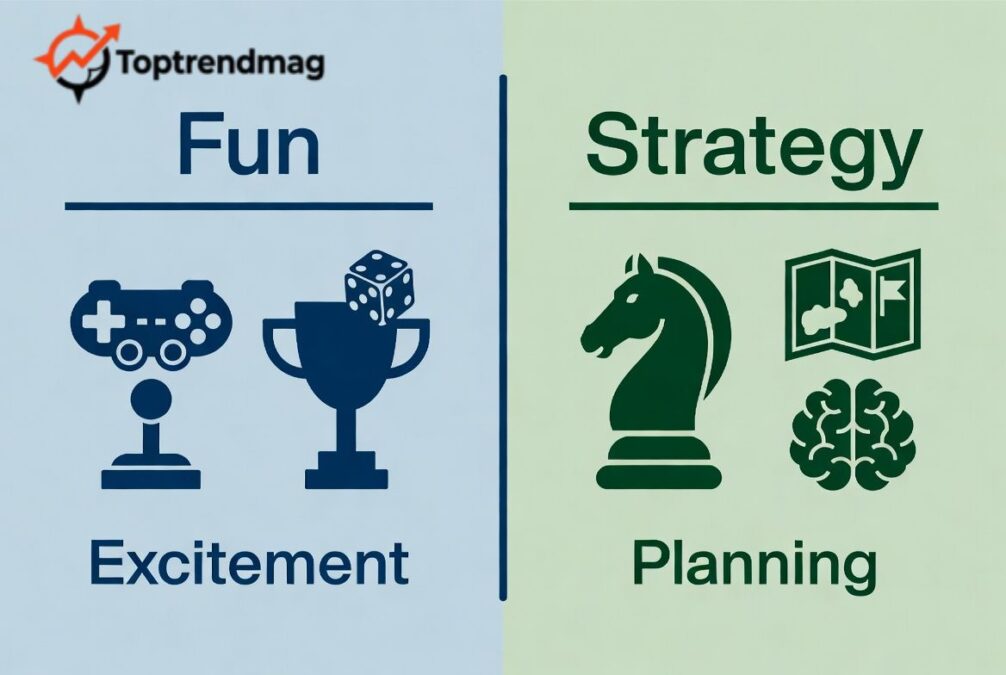
A lot of players separate “fun” and “strategy” like they’re enemies. But in practice, they’re connected.
Fun tends to show up as:
- fast momentum
- satisfying moments
- the feeling that you’re improving even if you can’t name what changed yet
Strategy shows up as:
- repeatable decision-making
- clearer priorities
- better timing under pressure
What surprised me after spending enough time in arena-style games is that the same behaviors can create both. When you understand positioning, for example, you stop feeling helpless and that relief feels fun too. When you learn match flow, fights stop being random and start being something you can influence. That’s when the game shifts from “entertaining” to “addictive in a smarter way.”
What PlayBattleSquare Feels Like When You First Jump In
When people search “playing games blog playbattlesquare”, they’re often looking for a straight answer: is it easy to access, and is it enjoyable without hours of setup?
From what’s consistently described across gaming guide-style coverage, PlayBattleSquare is presented as a web-based platform with a focus on quick, arena-style combat and varied mini-game experiences.
Even when you’re still figuring out the basics, arena games tend to deliver immediate feedback:
- you learn what you can do by doing it
- you see cause and effect quickly
- mistakes get punished quickly, but not always in a discouraging way
That’s important. If a game doesn’t reward curiosity early, players stop exploring. But when early matches are fun enough, you naturally start building habits.
The Fun Layer: Why These Matches Keep Calling You Back
Instant excitement and short loops
One of the biggest reasons arena-style games remain popular is that your attention doesn’t get stretched too thin. Matches often don’t drag. You can queue, learn, and try again without feeling like a single loss “wastes the whole day.” That structure supports enjoyment because the next attempt is always close.
Several guide-style sources describe PlayBattleSquare as being built for quick-play sessions and fast-paced gameplay loops.
The best kind of fun is “I didn’t panic”
Here’s the honest truth: a lot of fun in competitive games comes from survival. Not just winning but staying calm long enough to make one or two correct moves.
That’s why the fun layer is not only about action. It’s also about:
- not freezing when things get chaotic
- keeping your movement purposeful
- choosing when to fight
When you get better at those things, the game starts rewarding you more often, and your enjoyment improves naturally.
Team energy makes strategy feel less like work
If you ever play modes where teamwork matters, you know something happens when communication clicks. Suddenly, strategy stops being a private mental puzzle and becomes a shared plan.
Guide coverage around PlayBattleSquare-style play repeatedly highlights community and team interaction as a key theme players coordinate, discuss approaches, and improve together.
That social layer is a big part of why “fun” continues after the novelty wears off.
The Strategy Layer: What Good Players Actually Do
Strategy doesn’t always look like “being the smartest person in the room.” Most of the time it’s smaller than that more like being the most consistent.
In arena combat, strategy usually comes down to three things:
- where you are
- when you engage
- who you commit to fighting
Reading the map before you “fight”
Many games punish players who treat each encounter like it happens in isolation. In arena environments, fights ripple into other fights. If you walk into an engagement from a bad angle, you don’t just lose that fight you lose the next one too.
Map knowledge is often framed as an essential improvement area across PlayBattleSquare-related guides: players are encouraged to understand routes, safe areas, and hazard zones.
Even if you don’t memorize every detail, you can build a simple habit:
- ask what the map is trying to “force” you to do
- then choose to either accept it or counter it
Timing beats raw aggression
A common trap for players chasing fun is pushing too early. That doesn’t mean aggression is bad it means aggression without timing is just stress.
Good timing looks like:
- waiting for cooldowns to be used
- engaging when an enemy is committed
- retreating when your advantage is about to disappear
It’s also why experienced players look calmer. Their aggression has a “reason,” not just an impulse.
Target priority and commitment discipline
Another strategy principle that keeps coming up across gaming guides is focus and commitment don’t scatter your attention across too many threats.
Target priority often works like this:
- choose the enemy you can remove fastest or that threatens your team most
- fight them in a way that doesn’t leave you exposed afterward
- only switch targets when the new target becomes clearly more valuable
This is where strategy becomes “human” rather than mechanical. You’re constantly deciding what matters most.
Strategy Without Killing the Fun
A lot of players worry that if they start thinking like a strategist, they’ll lose the playful side of gaming. But the opposite tends to happen: when you stop being surprised all the time, you can enjoy the match again.
Fun-focused tactics that still win
Here are examples of tactics that feel like real play, not homework.
1) Controlled aggression
Instead of rushing every enemy you see, pick one engagement that makes sense. If you get value, you keep moving. If you don’t, you reset quickly.
2) Tempo control
Even without advanced terminology, you can feel tempo:
- speed up when enemies are separated
- slow down when you need safety or positioning
- avoid being dragged into messy fights on someone else’s terms
3) Positioning for escape routes
The best players don’t only move to attack. They move to avoid being trapped. A smart “fun” player still takes risks but they take risks with an exit.
Why these tactics feel better over time
When your decisions are deliberate, you don’t spend the match mentally exhausted. You stop “reacting to everything” and start controlling the shape of the fight. That control is a major source of enjoyment.
Mistakes That Slow You Down
No shame everyone does these at some stage. But naming them helps you break the cycle.
Overcommitting to early fights
If you win one duel and then chase deeper, you might walk into crossfire or lose your team’s advantage. Early wins are useful, but they don’t always mean you should keep pushing.
A simple correction:
- after you win something, check what changed on the map
- then decide whether to secure the objective or rotate away
Ignoring objectives for kills
Kills feel satisfying, but objective pressure decides many matches. If a mode has scoring, territory, or survival requirements, your strategy must match that reality.
Many PlayBattleSquare-style guides emphasize learning how modes and objectives connect to improvement.
Playing every fight like a duel
Duel thinking works in games that isolate encounters. Arena games rarely do. If you fight as if you’re alone, you’ll lose to coordination, even if your aim is good.
Try this:
- treat fights like puzzles with multiple solutions
- look for angles where your team can trade for you
No adjustment after the first loss
Some players assume they just got unlucky. Sometimes they did. But more often, the enemy pattern is repeatable.
A healthy habit:
- ask “what did they do that worked?”
- change one thing next round, not everything
Building Real Improvement: A Simple Progress Plan
Improvement doesn’t need complicated systems. It needs consistency.
Start with one skill per session
Pick a single focus for a few matches. Examples:
- better positioning before engagements
- clearer target priority
- faster rotations to reduce being surprised
When you do that, you learn faster because your brain isn’t trying to track five problems at once.
Use match feedback like a coach
After a match, don’t just ask whether you won. Ask:
- where did I spend time doing something unhelpful?
- when did I rotate too late?
- what fight cost me advantage?
This kind of reflection is common in player-focused guides because it turns playtime into progress.
Keep the mindset grounded
If you go in expecting every match to be perfect, you’ll burn out. Competitive gaming is noisy. What matters is whether you’re improving your decision patterns.
A grounded mindset is:
- treat losses as information
- celebrate small improvements
- stay curious instead of frustrated
Team Play vs Solo Play
Solo play strategy: stay useful, not brave for no reason
When you’re solo, you’re the only person who can correct your mistakes immediately. That means:
- fewer random pushes
- safer engagement windows
- smarter disengages
Your goal becomes: “be the player your team can rely on.”
Team play strategy: coordinate the timing
In team modes, individual skill matters, but timing matters more. If your team’s attacks happen in sequence, you win more fights. If they happen randomly, enemies handle you one by one.
Guide-based discussions of PlayBattleSquare content repeatedly highlight role coordination and teamwork as part of how players reach higher performance.
A practical approach:
- agree on a simple focus target early
- commit together
- trade intelligently (don’t feed while chasing)
My Favorite Kind of Moments in These Matches
I’ll keep this in a gamer’s voice, because that’s the point.
There’s a specific kind of moment I love: when you realize you’re winning the match without being “the loudest player.” You’re not dropping heroic plays for attention. You’re just:
- taking the right angle
- holding the right space
- choosing fights that don’t collapse your team
Those moments feel honest. They feel earned. And they’re usually the moments right before something fun happens because your team trusts your positioning.
Another moment: when a bad round turns into a small learning breakthrough. You stop repeating the same mistake, and suddenly your matches feel lighter. It’s like removing weight from your shoulders.
That’s the real connection between fun and strategy. Strategy isn’t just about efficiency. It’s about reducing panic.
FAQs
1) What does playing games blog playbattlesquare mean?
It’s basically a phrase people use when they want a gaming-focused blog post about PlayBattleSquare, blending what the game feels like with practical strategy habits you can use while playing.
2) Do I need to be “good at shooters” to enjoy PlayBattleSquare?
No. You can start with simple goals like staying aware of your position, choosing fights more carefully, and learning objectives. Skill builds faster when you focus on small improvements instead of trying to be perfect every match.
3) How do I balance fun and strategy during a match?
Treat strategy like a guide for your choices, not a replacement for fun. Keep the match engaging by staying aggressive when timing is right, then pull back when the fight stops working for you.
4) What are the most common mistakes new players make?
Most newcomers overcommit to fights, ignore objectives, and fight without thinking about map control. A lot of improvement comes from learning when to engage and when to disengage.
5) What’s a simple way to improve without grinding all day?
Play short sessions with one focus, like target priority or better positioning. After each match, ask what decision cost you the most, and apply one small adjustment next time.
Conclusion: When Strategy Makes Fun More Consistent
If there’s one takeaway I want you to hold onto, it’s this:
Playing games on PlayBattleSquare gets better when you stop treating strategy as something separate from enjoyment.
Fun keeps you engaged. Strategy keeps your fun from turning into frustration. Once you build habits map awareness, timing, target focus, and team coordination you start creating repeatable success.
And the best part? The matches feel better, not because you changed who you are, but because the game started responding to the choices you were already trying to make.
If you’re searching “playing games blog playbattlesquare” for clarity, I’d suggest this simple next step: take one strategy idea from this article, apply it in your next few matches, and notice how it changes both your results and your mood.
That’s how you turn a good gaming session into a better gaming habit.